Selecting appropriate can dimensions helps create a smooth and efficient packaging process while supporting attractive presentation, convenient handling, and reliable product protection. The right combination of height, diameter, capacity, and shape can align packaging with the characteristics of different products. Careful planning also helps improve filling, sealing, storage, and transportation. By reviewing product requirements and production goals together, manufacturers can make confident packaging decisions that support consistent results and efficient resource use.
Match Dimensions With Product Characteristics
Different products benefit from different can proportions and capacities. Understanding the product before selecting dimensions can create a practical foundation.
- Consider the product’s required fill volume.
- Review whether the product is solid, liquid, granular, or powdered.
- Select dimensions that provide suitable internal space.
- Allow appropriate headspace where necessary.
- Consider product density when determining capacity.
- Evaluate whether the shape supports convenient product movement.
Consider Filling Requirements
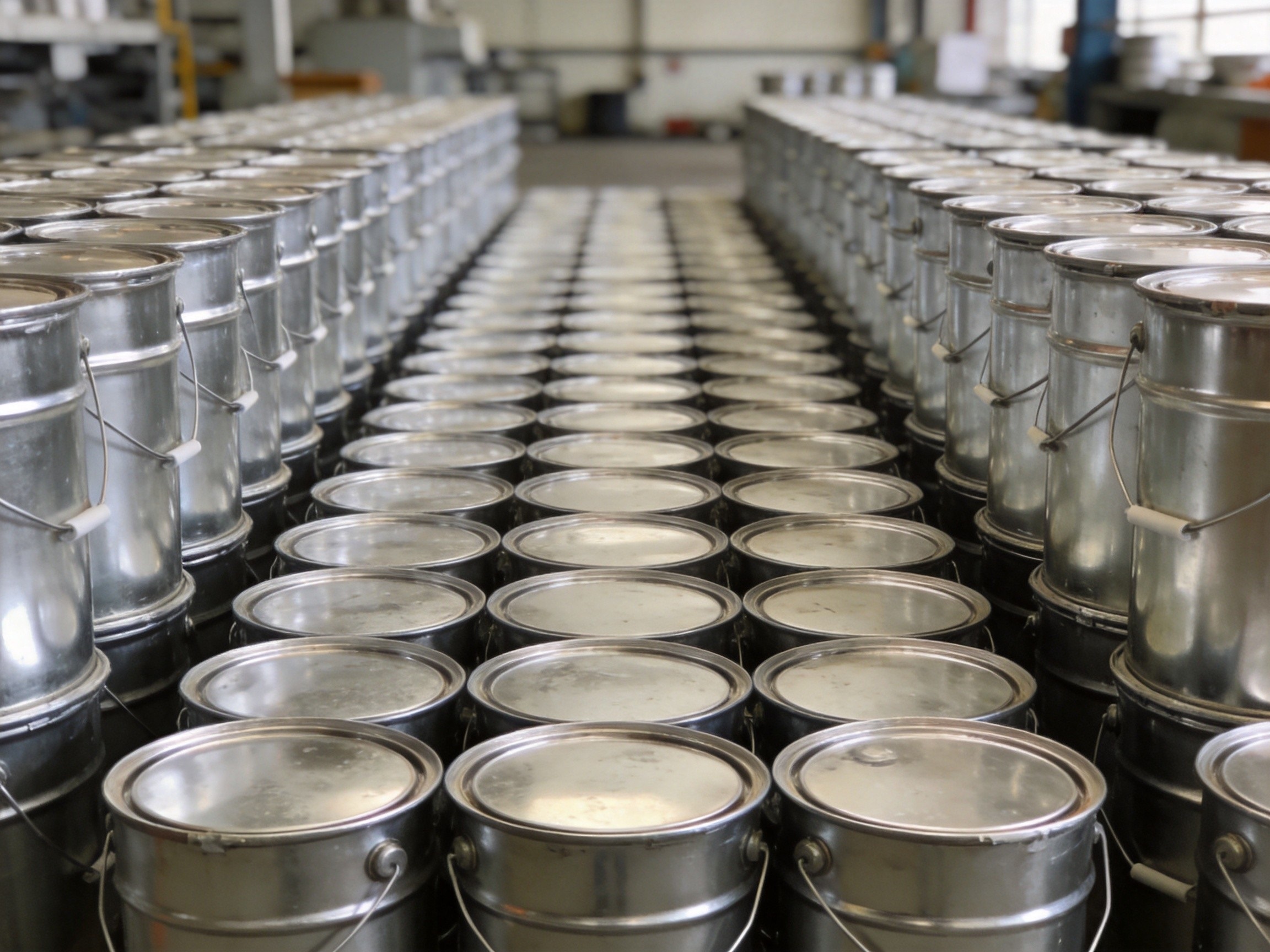
Can dimensions can directly influence filling efficiency. A well-matched format allows products to move smoothly through the filling process while supporting consistent quantities.
- Choose a diameter that supports efficient filling.
- Select sufficient height for the intended capacity.
- Maintain consistent dimensions across production runs.
- Consider opening size when filling access matters.
- Support accurate portion control with suitable capacity.
- Review how the product settles inside the container.
A useful reference for comparing practical formats and capacities is https://www.levapack.com/standard-can-sizes/, which can help guide dimension planning.
Plan For Reliable Sealing
Sealing performance is another important consideration when choosing can dimensions. Consistent proportions can contribute to dependable closure and attractive finished packaging.
- Match the can opening with the planned closure.
- Maintain consistent rim dimensions.
- Consider the relationship between diameter and sealing equipment.
- Choose stable proportions for dependable handling.
- Support uniform sealing pressure.
- Allow sufficient space for smooth processing.
Support Storage And Transportation
Suitable dimensions can make packaged products easier to organize, stack, and move. Efficient sizing also contributes to better use of available storage space.
- Select dimensions that encourage stable stacking.
- Consider efficient use of cartons and cases.
- Reduce unnecessary empty space around containers.
- Choose manageable dimensions for routine handling.
- Support organized warehouse arrangements.
- Consider transportation efficiency during planning.
Improve Product Presentation
Can dimensions also influence how a product looks and feels when handled. Balanced proportions can create a polished appearance while supporting practical use.
- Select dimensions that complement the product quantity.
- Consider comfortable handling during everyday use.
- Maintain balanced height and diameter proportions.
- Support clear labeling areas.
- Create a consistent appearance across product variations.
- Choose practical capacities for different consumer needs.
Build Flexible Packaging Plans
Thoughtful dimension selection can provide long-term advantages by supporting multiple applications and production requirements.
- Review current and future product capacities.
- Keep dimensional standards consistent where practical.
- Evaluate filling and sealing compatibility together.
- Consider material efficiency during selection.
- Test proposed dimensions before full-scale implementation.
- Document preferred formats for consistent production.
Choosing suitable can dimensions is a practical step toward efficient packaging performance. When capacity, product characteristics, filling, sealing, storage, handling, and presentation are considered together, manufacturers can create packaging formats that support smooth operations and dependable results. A thoughtful dimensional strategy also provides greater flexibility for changing product requirements while maintaining consistency, efficiency, and a positive finished-package experience.